
About author: Jack Evans brings his extensive experience in digital marketing to the table, specialising in paid social strategies that drive growth for e-commerce and DTC brands.
Facebook ads have become a go-to marketing tool for businesses of all sizes. With over 3 billion monthly active users, the platform offers a massive audience for advertisers to reach.
But how do you know if your Facebook ad campaigns are actually paying off? That’s where Return on Investment (ROI) comes in.
ROI is a crucial metric that helps you figure out if your advertising spend is bringing in enough revenue to justify the cost. It’s the difference between throwing money into a black hole and running a profitable campaign that boosts your bottom line.
So, what exactly counts as a good ROI for Facebook ads? Let’s dig into the numbers and find out.
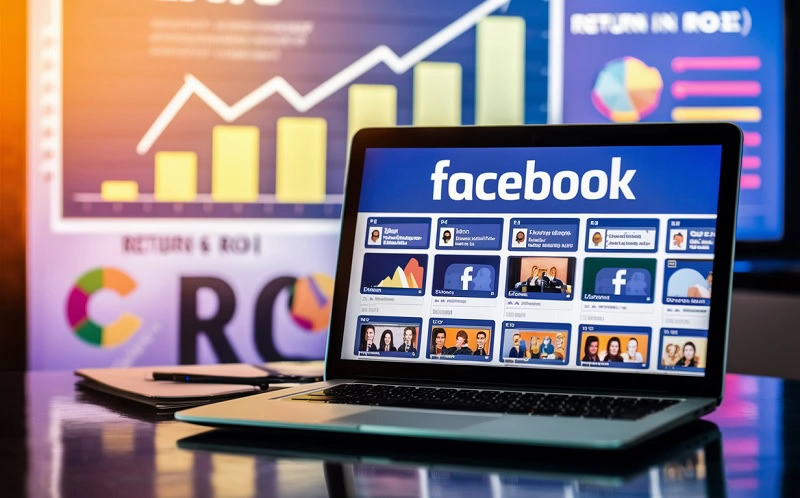
Understanding ROI for Facebook Ads
Before we get into what makes a good ROI, let’s break down how it’s calculated. ROI is typically expressed as a percentage and shows how much profit you’ve made compared to your initial investment. For Facebook ads, the formula looks like this:
ROI = (Revenue – Ad Spend) / Ad Spend x 100
For example, if you spent £1,000 on Facebook ads and generated £3,000 in revenue, your ROI would be:
(£3,000 – £1,000) / £1,000 x 100 = 200%
This means you made back your initial investment plus an additional 200% in profit. Sounds great, right? But is it actually considered a good ROI?
What’s Considered a Good ROI?
The short answer is it depends on your industry, business model, and goals. However, most marketers agree that a 200% ROI is a solid benchmark to aim for. This means for every pound you spend on Facebook ads, you’re making £2 in profit.
Why 200%? It provides a healthy cushion for other expenses and ensures your ad spend is genuinely contributing to your bottom line. But don’t get discouraged if you’re not hitting this target right away. Even a positive ROI can be considered good, especially when you’re just starting out.
Keep in mind that ROI can vary widely across different industries. E-commerce businesses might see higher ROIs due to the direct nature of online sales, while service-based businesses or those with longer sales cycles might have lower ROIs.
Factors Affecting Your Facebook Ad ROI
Several factors can impact your Facebook ad ROI. Understanding these can help you optimise your campaigns and boost your returns.
Target Audience
Are you reaching the right people? Facebook’s targeting options are incredibly detailed, allowing you to narrow down your audience based on demographics, interests, behaviours, and more. The more relevant your audience, the higher your potential ROI.
Ad Quality
Your ad creative plays a huge role in determining ROI. Engaging visuals, compelling copy, and clear calls-to-action can significantly improve your ad performance. Don’t skimp on quality just to save a few quid.
Landing Page Experience
What happens after someone clicks on your ad? Your landing page should deliver on the promise of your ad and make it easy for visitors to take the desired action, whether that’s making a purchase or filling out a form.
Bidding Strategy
How much are you willing to pay for each click or conversion? Your bidding strategy can affect both your ad reach and your overall ROI. Finding the right balance is key.
Improving Your Facebook Ad ROI
Now that you know what factors influence ROI, how can you improve it? Here are some strategies to consider:
1. Test and Optimise
Don’t just set your ads and forget them. Regularly test different ad elements like headlines, images, and targeting options. Use Facebook’s A/B testing tools to compare different versions and see what resonates best with your audience.
2. Focus on Relevance
Make sure your ads are highly relevant to your target audience. The more relevant your ads, the lower your costs and the higher your potential ROI. Use Facebook’s relevance score to gauge how well your ads are resonating with your audience.
3. Retarget Wisely
Retargeting can be a powerful way to boost ROI. These ads target people who have already shown interest in your product or service, making them more likely to convert. Just be careful not to overdo it and annoy potential customers.
4. Monitor and Adjust
Keep a close eye on your ad performance and be ready to make adjustments. If certain ads or targeting options aren’t performing well, don’t be afraid to pause them and reallocate your budget to better-performing ads.
Looking Beyond ROI
While ROI is a crucial metric, it’s not the only one you should be tracking. Other important metrics include:
• Cost Per Click (CPC): How much you’re paying for each click on your ad.
• Click-Through Rate (CTR): The percentage of people who see your ad and click on it.
• Conversion Rate: The percentage of people who click on your ad and complete the desired action.
• Cost Per Acquisition (CPA): How much you’re spending to acquire each customer.
These metrics can give you a more complete picture of your ad performance and help you identify areas for improvement.
Setting Realistic Expectations
It’s important to set realistic expectations for your Facebook ad campaigns. While stories of businesses achieving 1000% ROI or more are exciting, they’re not the norm. Many successful advertisers consider an ROI between 200-400% to be excellent.
Keep in mind that ROI can fluctuate over time. Seasonal trends, changes in competition, and shifts in consumer behaviour can all impact your results. Don’t get discouraged by short-term fluctuations. Instead, focus on long-term trends and continuous improvement.
The Long Game: Building Brand Awareness
Sometimes, the impact of Facebook ads goes beyond immediate ROI. Brand awareness campaigns, for example, might not lead to direct sales but can pay off in the long run by keeping your brand top-of-mind for potential customers.
In these cases, you might need to look at other metrics like reach, frequency, and brand recall to gauge the success of your campaigns. While these are harder to quantify in terms of ROI, they can be just as valuable for your overall marketing strategy.
When to Re-evaluate Your Strategy
If you’re consistently seeing negative ROI or struggling to break even, it might be time to re-evaluate your Facebook ad strategy. This could involve:
• Reassessing your target audience
• Revamping your ad creative
• Adjusting your bidding strategy
• Improving your landing pages
• Reconsidering your offer or pricing
Sometimes, a fresh perspective can make all the difference. Consider bringing in a Facebook ads expert or attending a workshop to learn new strategies and tactics.
The Bottom Line
Ready to elevate your business? Check out our Facebook marketing company and see how we can help you achieve incredible results!
So, what’s a good ROI for Facebook ads? While 200% is often cited as a benchmark, the truth is that a good ROI is one that meets your business goals and contributes positively to your bottom line.
Remember, ROI is just one piece of the puzzle. It’s a valuable metric, but it should be considered alongside other performance indicators and your overall marketing objectives.
By continually testing, optimising, and staying flexible in your approach, you can work towards achieving an ROI that’s not just good, but great for your business.